While convenient, many people still have reservations about the freshness and nutritional value of meat hidden beneath the ice, despite its carefully packaged trays. So, is imported frozen meat any good?
The truth about the nutritional content of deep-frozen meat
Many people believe that only freshly slaughtered meat is good, but modern food science has proven the opposite for properly frozen meat. When meat is immediately exposed to extremely low temperatures, the water molecules inside the cells don't have time to expand and break the cell membranes.
This helps to lock in all the nutrients, such as protein, iron, and B vitamins, preventing them from being lost. When thawed properly, the meat will return to its tender and nutritious state, just like when it was freshly processed.
Strict standards from the world's leading livestock-producing nations
Legitimate imports from major markets such as the US, Australia, and Europe must comply with extremely strict food safety and hygiene control procedures. Each shipment possesses clear traceability records and quarantine certificates from the relevant authorities of both the exporting and importing countries.
Raised in a modern industrial environment and processed in a closed slaughterhouse, the risk of bacterial contamination is minimized from the very first stages.
This is why imported meat typically has a very high degree of consistency in terms of quality and sensory characteristics when cooked.
Cold chain supply and the role of temperature monitoring equipment
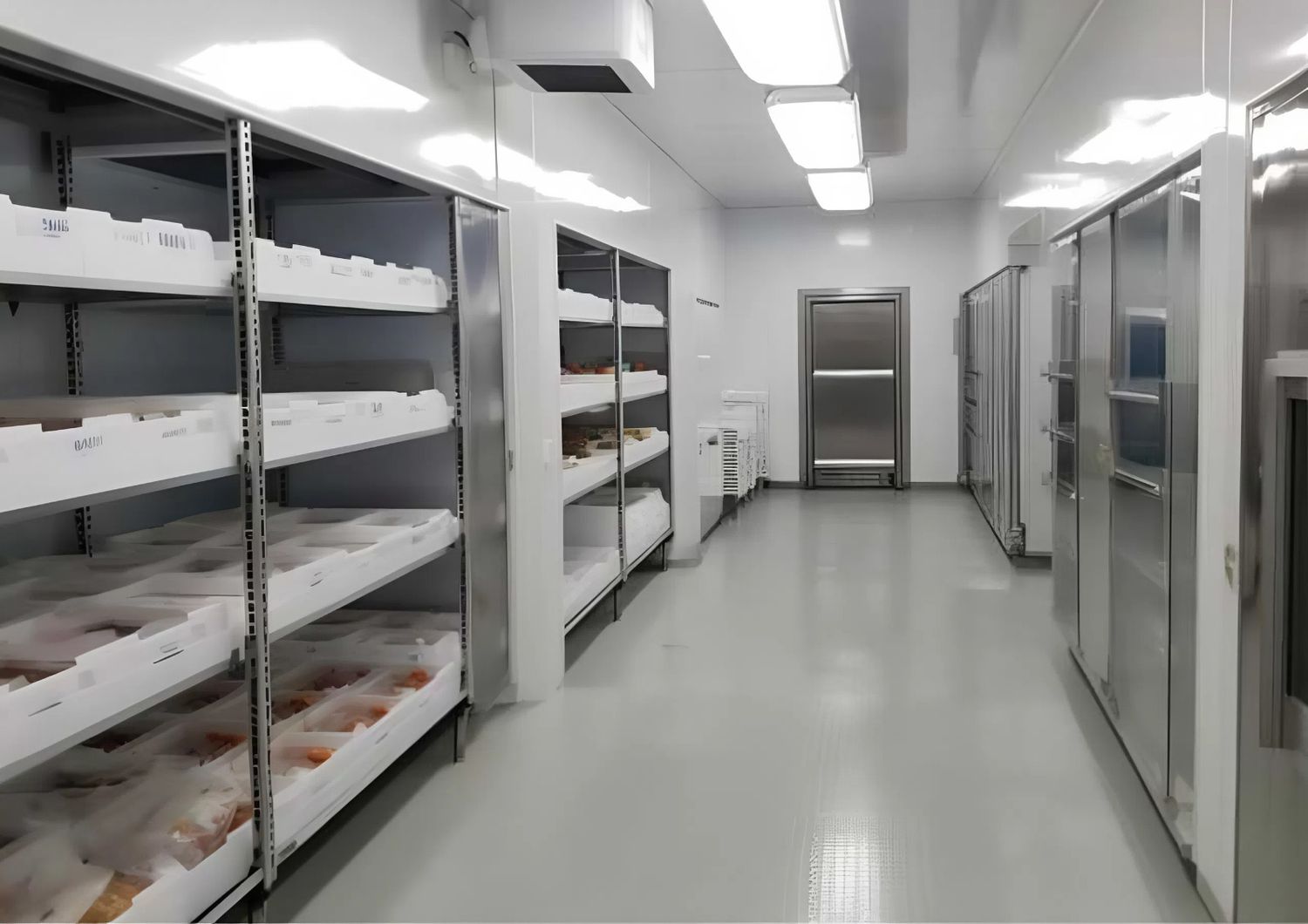
The key to maintaining the quality of frozen meat is the seamlessness of the cold chain supply from the seaport to the warehouse and retail point of sale. Any negligence in maintaining the -18°C temperature can cause food quality to deteriorate rapidly.
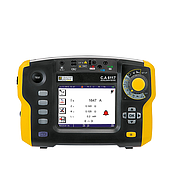
In professional warehouses, the use of infrared temperature measuring devices or temperature data loggers is a continuous activity, hourly. Accurate measurement solutions from companies like EMIN help warehouse managers immediately detect even the smallest temperature fluctuations to ensure absolute food safety.
Distinguishing between high-quality and low-quality frozen meat
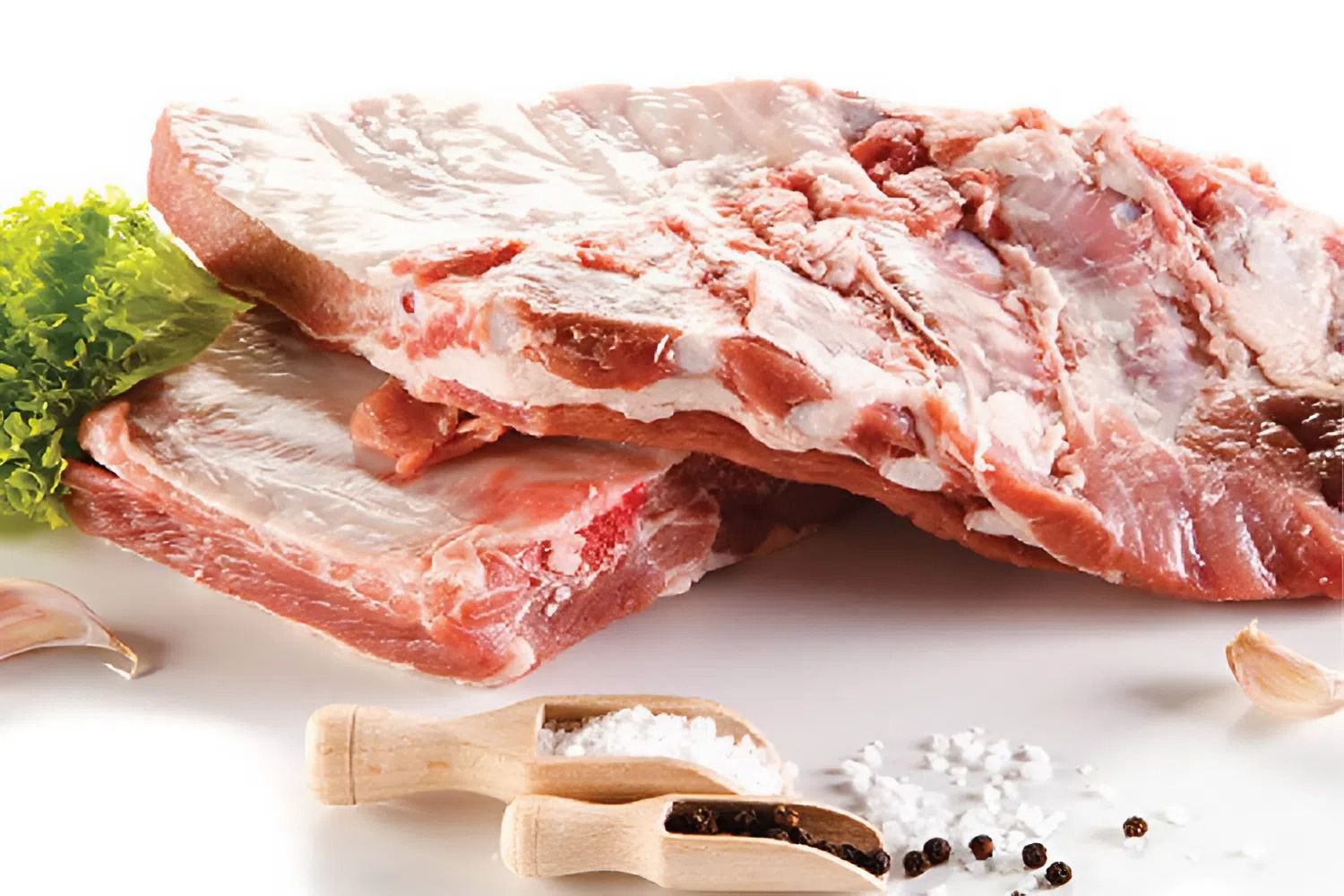
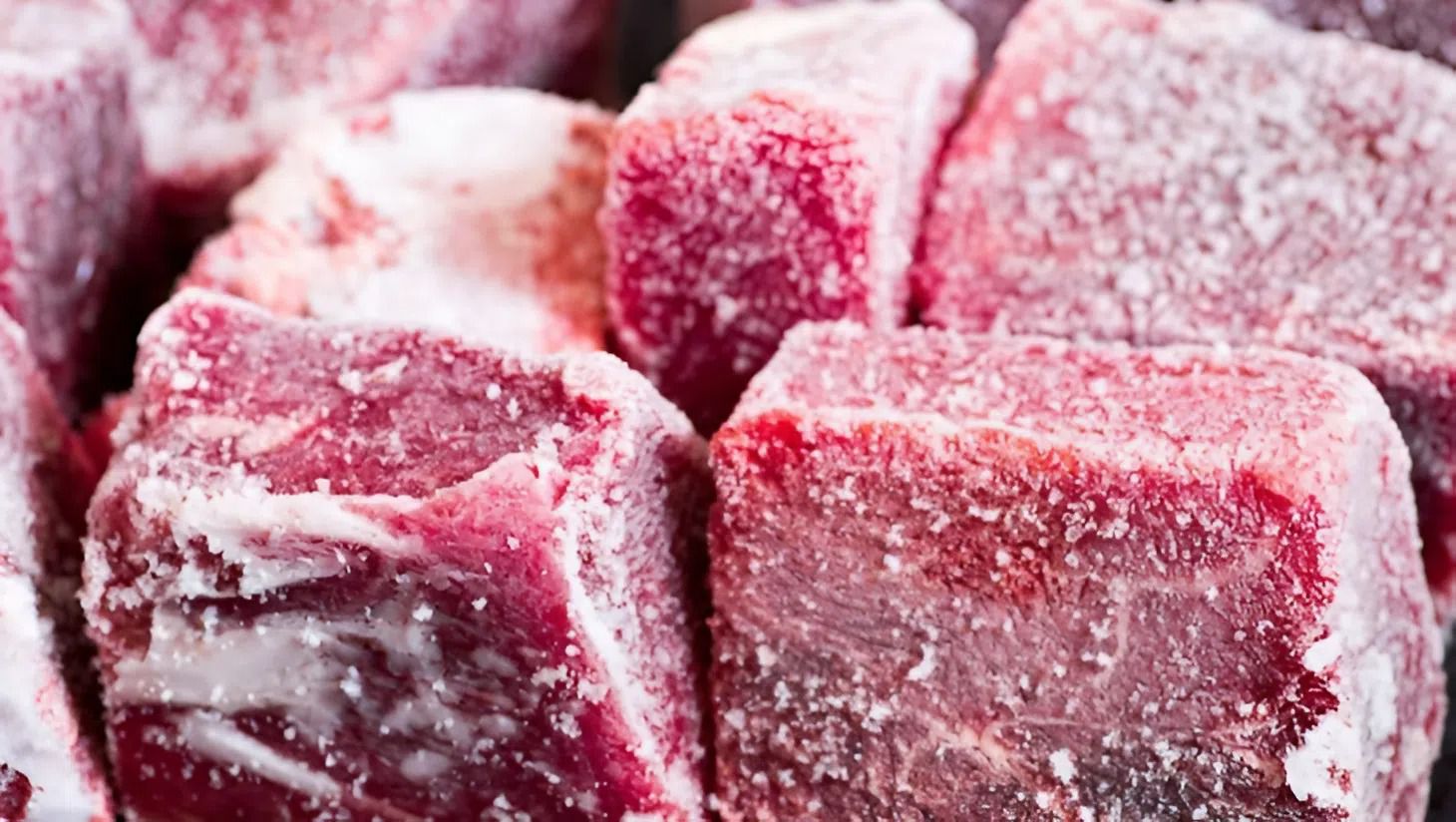
Consumers can easily assess product quality themselves through a few details on the packaging and the condition of the meat. A tray of good meat will have a natural pink color and will not show any dark spots or areas of freezer burn from prolonged exposure to air.
The ice layer surrounding the meat should be thin and transparent, not thick or cloudy, as this is often a sign that the meat has been thawed and then refrozen.
Paying close attention to packaging and expiration dates will help you eliminate substandard products.
The secret to thawing and cooking meat so it tastes as good as fresh meat from the market
Freezing is the final but most important step in determining the flavor of a dish at a family dinner. The best method is to transfer the meat from the freezer to the refrigerator early so that it softens gradually without thermal shock.
This method allows the muscle fibers to naturally contract and retain the juices inside the meat instead of letting them drain out as they would when soaked directly in water. Once the meat has reached the desired tenderness, simply pat the surface dry and proceed with seasoning as usual to fully appreciate the juiciness and distinctive aroma of fresh produce.