Oil penetration testing
When consistency, shear stability, or low-temperature behavior must be verified in the lab, penetration testing becomes one of the most practical methods for evaluating petroleum products and lubricating materials. This category brings together instruments and supporting equipment used to measure penetration under controlled conditions, helping laboratories compare samples, support quality control, and follow recognized testing workflows for oils, greases, asphalt-related materials, and similar products.
Oil penetration testing equipment is commonly selected by laboratories that need repeatable measurements, clear reading resolution, and a setup that fits both routine inspection and more demanding analytical work. Depending on the application, users may need a standalone penetrometer, a temperature-controlled bath, or supporting tools such as cones and grease workers to complete the full test process.
What penetration testing helps you evaluate
Penetration methods are widely used to assess how a sample responds to a defined load over a set time. In practical terms, the result helps indicate consistency, softness, or structural stability of the tested material. For lubricating greases, this can be especially useful for comparing worked and unworked samples, checking batch uniformity, or monitoring changes after processing and storage.
In petroleum and lubricants laboratories, penetration data is often part of a broader testing workflow rather than a standalone measurement. Teams may also work across related areas such as fuels testing or use dedicated supporting glassware from Glass Apparatus for ASTM Test Methods when building a complete lab setup.
Typical equipment found in this category
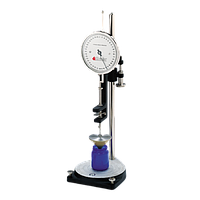
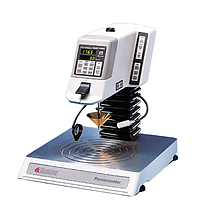
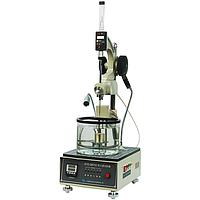
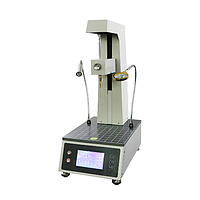
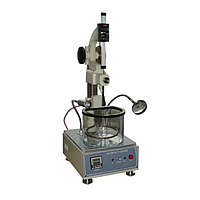
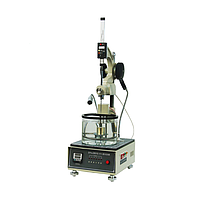
The core of the category is the penetrometer itself. These instruments are designed to control penetration time, apply the test needle or cone correctly, and provide a readable result with suitable resolution. Some models focus on straightforward manual or digital measurement, while others add automatic lifting, touch-screen interfaces, stored data, or network-ready operation for laboratories that need a more efficient workflow.
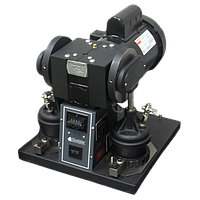
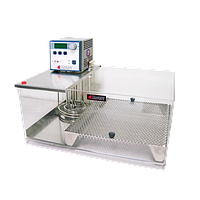
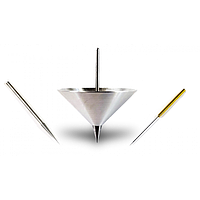
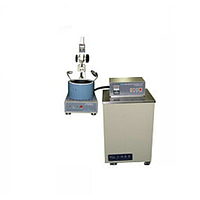
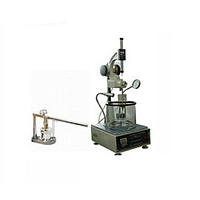
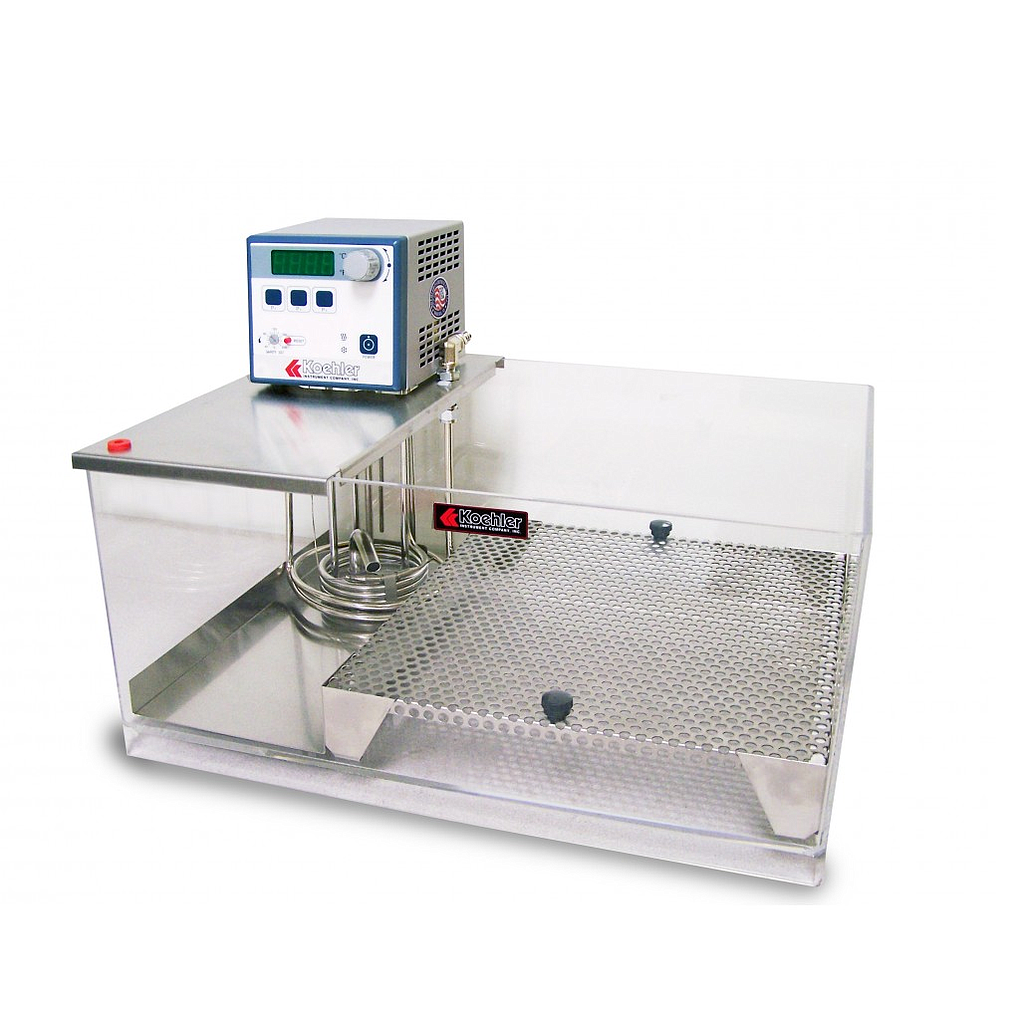
Temperature control is also important because penetration values are highly influenced by test conditions. That is why the category may include dedicated baths and low-temperature systems. Accessories such as cones, weights, and grease working devices are equally relevant, since they support sample preparation or help align the setup with the selected method.
Representative instruments and supporting devices
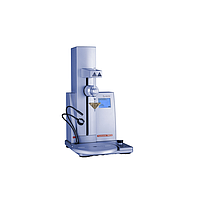
For laboratories looking for modern digital operation, the Anton Paar range includes the Anton Paar PNR 12 Penetrometer, a model suited to controlled penetration testing with programmable timing and connectivity options such as USB and LAN. This type of instrument is often chosen when users need traceable workflows and easier integration into lab data handling.
Koehler offers a broader ecosystem around penetration methods, including the Koehler K95590-00000 Digital Penetrometer and the Koehler K19500 Penetrometer for routine measurement tasks. Supporting equipment such as the Koehler K95690 Penetrometer Bath and the Koehler K20800 Magnesium Cone shows how penetration testing often depends on more than one device to achieve stable and method-compliant results.
For applications that require practical, lab-oriented configurations, Samyon provides several options such as the Samyon 2801C, 2801G, 2801E1, 2801F, and 2801H. Across these models, users can find features such as digital display, selectable timing control, temperature-regulated baths, low-temperature capability, and automatic lifting, making them suitable for different routine and specialized penetration procedures.
How to choose the right oil penetration testing setup
The first point to consider is the sample type and the test procedure your laboratory needs to follow. A basic penetrometer may be sufficient for standard consistency checks, but applications involving grease, low-temperature testing, or tighter procedural control may require a dedicated bath, a specific cone arrangement, or a grease worker as part of the system.
Next, look at the practical features that affect day-to-day use: reading resolution, timing flexibility, adjustment of the needle holder, and overall ease of observation. In labs with higher throughput, digital displays, automatic lifting, and data storage can reduce operator variation and make repeated testing more efficient. If your workflow includes neighboring analyses, related instruments such as a flash tester may also be relevant within the same laboratory environment.
Temperature control should not be treated as a secondary detail. Many penetration procedures depend on stable thermal conditions, so a compatible bath or low-temperature unit may be essential to obtain meaningful and comparable results. It is also worth checking whether you need a complete system immediately or prefer to build the setup gradually with accessories and auxiliary devices.
Digital, automatic, and application-specific options
Not every laboratory needs the same level of automation. Some users prefer a conventional instrument with manual positioning and simple timing selection, especially for routine checks where the procedure is well established. Others benefit from digital interfaces that improve readability and reduce interpretation errors during repetitive testing.
Automatic models can be especially useful when the goal is to improve repeatability across multiple operators. For example, systems with automatic lifting, digital timing control, or data-saving capability can support more standardized operation. Application-specific units, such as low-temperature penetrometers or dedicated penetration baths, are better suited when sample behavior must be evaluated under stricter thermal conditions.
The role of accessories in test quality
A penetration result is only as reliable as the full test arrangement around it. Accessories like standard needles, cones, weights, sample containers, and bath components directly influence whether the method can be carried out correctly. In some workflows, a grease worker is necessary to prepare lubricating grease samples before the measurement phase begins.
This is why categories like this should be viewed as a complete testing ecosystem rather than a list of standalone instruments. A digital penetrometer may provide accurate readout, but the supporting cone, bath stability, and sample preparation steps still determine how useful the final value will be in quality control or comparative analysis.
Who this category is suitable for
Oil penetration testing equipment is relevant to petroleum laboratories, lubricant manufacturers, industrial quality departments, research centers, and organizations performing method-based material evaluation. It is particularly useful where teams need to compare sample consistency over time, verify production stability, or support product development with measurable penetration data.
The category can serve both labs building a new testing bench and existing facilities upgrading older instruments to digital or more automated platforms. Depending on the workflow, buyers may be looking for a single penetrometer, a bath to stabilize temperature conditions, or a more complete set of components to support grease and petroleum penetration procedures from sample preparation through final reading.
Final considerations
Selecting the right penetration testing equipment starts with understanding the method, the material being tested, and the level of control your lab requires. A well-matched setup may include a compact penetrometer for routine work, or it may extend to baths, cones, and grease-working equipment for more complete and repeatable testing conditions.
Within this category, you can compare instruments from Anton Paar, Koehler, and Samyon according to workflow, temperature requirements, reading method, and accessory needs. Taking this broader view helps ensure that the chosen solution supports not just one measurement, but a reliable and practical laboratory process.
Get exclusive volume discounts, bulk pricing updates, and new product alerts delivered directly to your inbox.
By subscribing, you agree to our Terms of Service and Privacy Policy.
Direct access to our certified experts