Prolonged flooding leaves significant amounts of water trapped inside concrete, masonry walls, electrical systems, and foundations—far more than what is visible on the surface. Instead of immediately cleaning and repairing the building, the first step should be a comprehensive condition assessment using appropriate measuring instruments. These measurements help identify components that can be restored, areas requiring replacement, and prevent repairs from being carried out while construction materials still contain excessive moisture.
A dry-looking surface or several days of sunshine does not necessarily indicate that the building has stabilized. Many problems that appear months later—including peeling paint, cracked tiles, swollen wooden flooring, electrical faults, and reinforcing steel corrosion—often originate from conditions that were never measured after the floodwaters receded.
Measuring Wall Moisture After Flooding
Material Moisture Cannot Be Reliably Assessed by Visual Inspection
Water often remains deep inside mortar, brickwork, and concrete long after the surface appears dry. As temperatures fluctuate, moisture continues to migrate toward the surface through vapor diffusion, creating internal pressure that can cause paint and finishing layers to blister or delaminate.
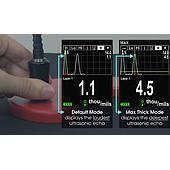
Building material moisture meter provides an accurate measurement of the actual moisture content within construction materials. These readings determine whether the substrate is ready for waterproofing, skim coating, wooden floor installation, or epoxy floor application.
Moisture should be measured at multiple heights along the wall because flood moisture is rarely distributed uniformly. Differences of only a few centimeters in measurement location can indicate significantly different levels of water penetration within the structure.
Surface Temperature Helps Identify Hidden Moisture
Walls and floors that still contain moisture usually exhibit different surface temperatures from surrounding dry areas because evaporation absorbs heat.
A thermal imaging camera or infrared thermometer can identify hidden moisture before stains or mold become visible. This non-destructive technique is particularly effective for gypsum ceilings, insulated walls, cavity walls, and other locations that cannot be opened for direct inspection.
A single measurement immediately after floodwater recedes does not fully represent the drying process. Monitoring moisture levels over time and across multiple locations provides more reliable data and minimizes the risk of starting repairs prematurely. Finishing work should only begin after moisture readings remain consistently stable over several consecutive inspections.
Insulation Resistance Testing Determines Whether the Electrical System Is Safe
Post-flood technical guidelines recommend inspecting the entire electrical installation before restoring power rather than simply replacing submerged outlets or switches.
Even when electrical outlets appear completely dry, the insulation surrounding electrical conductors may have deteriorated after prolonged exposure to water.
An insulation resistance tester evaluates the dielectric integrity of cables, switchboards, and electrical equipment. Reduced insulation resistance increases the likelihood of leakage current when power is restored, creating a higher risk of electrical failure, short circuits, fire hazards, and equipment damage.
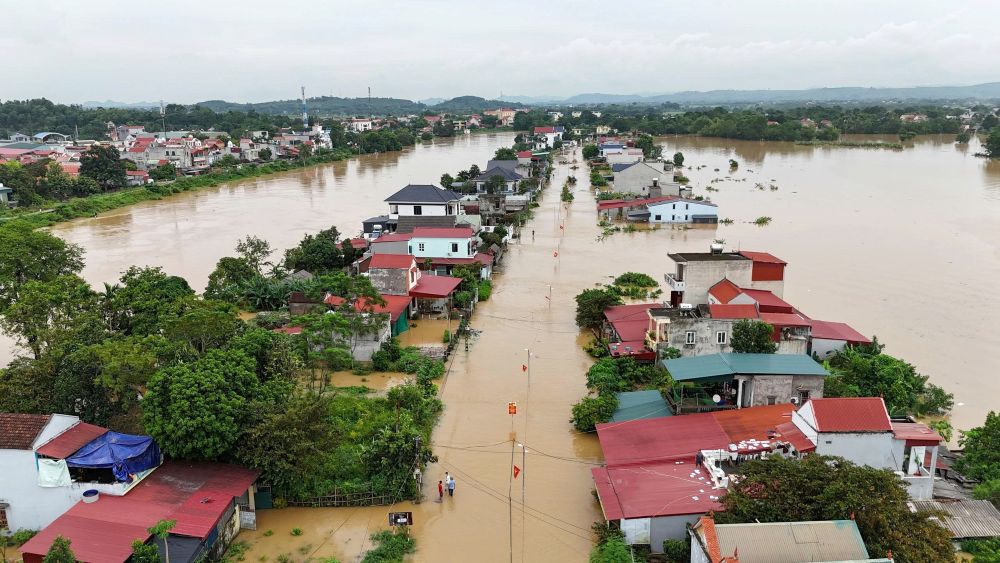
Prolonged Flooding Causes Extensive Damage
Measuring Indoor Humidity Determines the Building Drying Rate
Opening windows or operating fans continuously does not necessarily accelerate the drying process.
If indoor relative humidity remains high, moisture trapped inside walls and floors cannot evaporate efficiently. Extended drying periods significantly increase the likelihood of mold growth and microbial contamination.
A temperature and humidity meter, used together with commercial dehumidifier, allows restoration professionals to monitor and optimize the building drying process based on measurable environmental conditions rather than estimation.
Checking Structural Deformation Before Restoration
Buildings exposed to long-term flooding or showing signs of settlement should undergo geometric measurements to identify structural deformation at an early stage.
A laser distance meter, laser level, or total station can accurately measure structural inclination, deflection, and displacement between different parts of the building.
If these parameters have changed after the flood, foundation stabilization or structural repair should be completed before any finishing work begins. Repairing finishes before addressing structural movement often results in repeated demolition and unnecessary restoration costs.
For contractors, maintenance companies, and facility managers, using professional measuring instruments immediately after floodwaters recede enables data-driven repair decisions, minimizes unnecessary replacement of building components, and reduces the risk of recurring damage throughout the building's service life.