The reason is easy to understand. Granite surfaces look very solid, thick, and hard, so everyone feels that anything placed on them will be fine. In reality, granite does withstand much more weight than many common materials, but granite surface plate prioritize flatness and surface durability over the "load-bearing" capabilities of industrial workbenches.
Some tabletops remain beautiful for over a decade, even with daily measurements of heavy details. Conversely, some tables start scratching, chipping, or feel less smooth after only a few years. The difference usually lies in the daily load application rather than the weight itself.
Steel molds and large metal blocks are the most likely things to damage the edges of a table
In mold or CNC workshops, placing molds onto the workbench is a constant occurrence.
The problem is that these steel blocks often have hard edges, concentrated weight, and are difficult to place evenly. Just one corner touching down first or a slightly forceful lowering will concentrate the force at a single small point on the surface of the stone.
Granite is very hard but doesn't like this kind of sudden concentrated force, and the edges of the workbench are particularly vulnerable because they are the most impact-prone areas. Initially, it's just a very small chip that's difficult to notice. But if it happens frequently, the edge of the stone will sink down quite quickly, especially on workbenches used for measuring fine tolerances.
Steel pallets and disassembled machine parts should not be placed directly on the surface
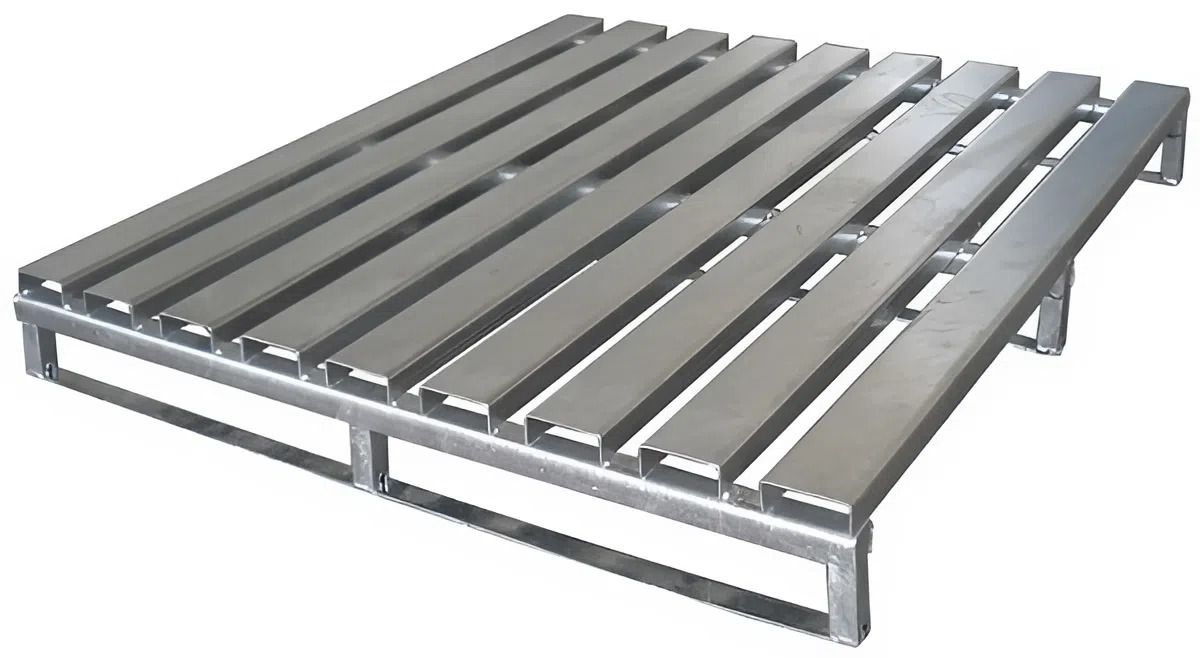
A common practice in workshops is to use the workbench as a temporary support for tools because the surface is wide and clean.
Motors, spindle heads, steel pallets, or disassembled mechanical assemblies are often placed haphazardly on it while waiting for assembly or further inspection.
These items often have uneven bottoms, sometimes with burrs or sharp edges. Even a slight rotation or movement across the granite surface can cause small scratches.
At first glance, nothing is clearly visible. Over time, the area where items are frequently placed loses its smoothness faster than other areas. This is also why many QC departments almost never allow the use of map tables as a transfer point for heavy items, even if the tabletop is otherwise empty.
Long items can sometimes be more dangerous than excessively heavy ones
It sounds counterintuitive, but in reality, longer components are more likely to cause uneven load distribution on the countertop than extremely heavy items.
Examples include guide rails, long shafts, or large steel bars.
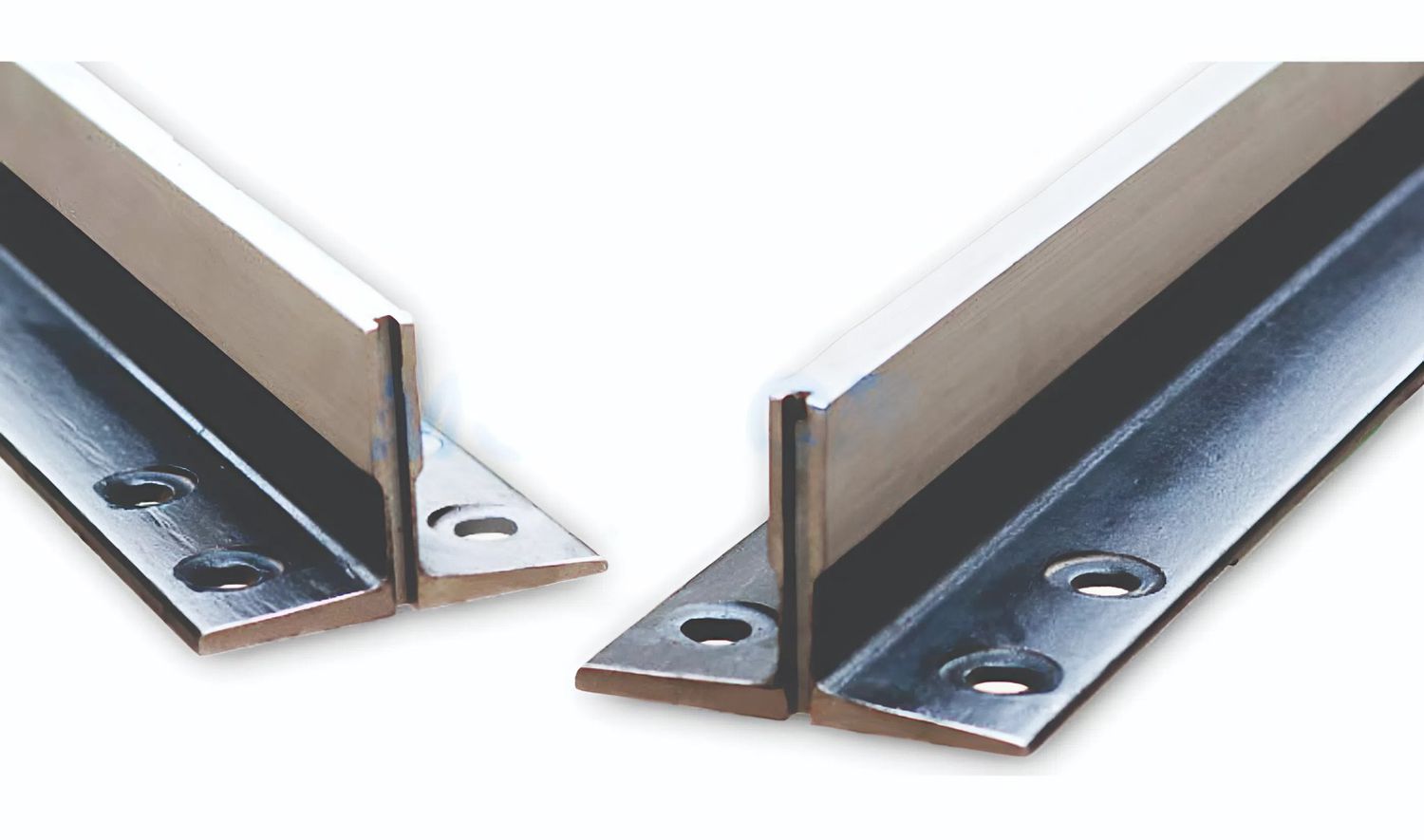
When placed with one end touching the other or offset, the entire load is concentrated at a few points instead of being evenly distributed across the countertop. If this happens continuously over a long period, the underlying structure will also begin to experience uneven load distribution.
This is why large countertops often have specific load placement recommendations, not just maximum load capacity.
See also:
Top-selling map tables currently available
Why is natural black granite often used for map tables?
Do you know why map tables are often used with anti-vibration stands?
Devices that vibrate slightly should also be avoided being placed on tabletops
Another often overlooked issue is placing active components directly on a granite table.
A test motor, rotating assembly, or device that generates slight vibrations while running may not have an immediate impact, but repeated vibrations will noticeably alter the measurement experience over time.
Anyone who has ever used a dial gauge on a slightly vibrating table will understand the unpleasant feeling of the needle constantly oscillating. The workpiece also feels less stable than usual.
Therefore, in areas requiring more precise measurements, the surface plate is often separated from the continuously running machine or comes with its own anti-vibration stand.
What causes maps to drop the fastest is usually daily usage habits
In fact, granite countertops are not weak at all. If used correctly, the lifespan of the surface is very long and its durability is extremely impressive.
Most problems arise from small, repetitive daily actions:
+ Dropping parts down too forcefully
+ Dragging heavy objects across the surface
+ Constantly placing loads close to the edge of the countertop
+ Concentrating heavy objects on a small point
+ Using the countertop as a temporary storage area
Initially, the difference is almost imperceptible. But after a few years of use, the difference begins to become quite noticeable in terms of surface smoothness and feel when measuring.
The more the surface plate is used for measurement and inspection, the more important it is to keep the surface "clean of load"
The most important aspect of a surface plate isn't its weight capacity. What users need to maintain over the long term is its flatness and stable feel during measurement operations. A surface that is still in good condition, with minimal impacts and unbalanced forces, generally provides a much more pleasant measurement experience, especially when inspecting small details or working with low-resolution gauges.
Therefore, in many workshops today, surface plates are often separated from areas for heavy objects or material handling. This isn't because granite is weak, but because the less unnecessary impact the surface experiences, the longer it retains its quality after many years of use.