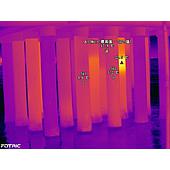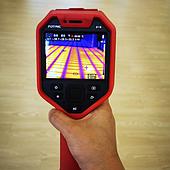
Thermal imaging helps inspectors assess radiant HVAC heating patterns by showing surface temperature differences. A 10–15 minute warm-up on a cold night can improve contrast, while 384x288 resolution or higher may help distinguish individual pipes.
Thermal imaging helps inspectors assess radiant HVAC heating patterns by showing surface temperature differences. A 10–15 minute warm-up on a cold night can improve contrast, while 384x288 resolution or higher may help distinguish individual pipes.
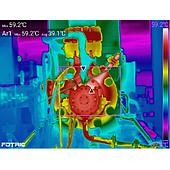
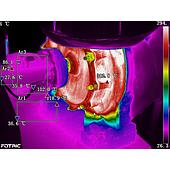
Thermal imaging provides a non-contact way to inspect the thermal condition of petrochemical valves and flanges, helping identify anomalies associated with loose connections, faulty valves, and missing pipeline insulation.

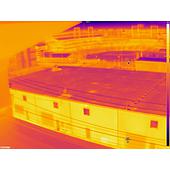
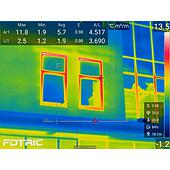
Thermal cameras support building inspections by revealing temperature differences associated with thermal bridges, air leakage, moisture accumulation, and detached exterior tiles.

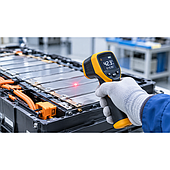
An infrared thermometer is a useful tool for quickly checking the surface temperature of lithium batteries without direct contact. This method allows technicians to identify abnormal temperature areas, assess operating conditions, and inspect battery systems during maintenance.

You are measuring an amplifier, and only one peak appears on the screen—even though there are clearly two carriers. Or, you know for a fact that harmonics are present, but the noise floor sits above them. Or, after making adjustments, the scanner slows down to the point where you find yourself waiting for each individual sweep. These three scenarios often share a common cause: the RBW (Resolution Bandwidth)

Thermal imaging can support periodic inspection of aging oil and gas infrastructure by helping teams identify worn pipe insulation, aged flange joints, and failing cable wires from a distance.

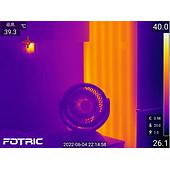
Thermal imagers detect infrared radiation associated with surface temperature differences, so they can work without visible light. They do not see through walls, glass, or metal, although temperature patterns may reveal certain conditions.

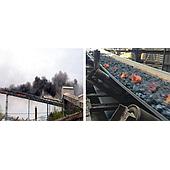
Thermal cameras can monitor coal, belt surfaces, and selected conveyor equipment for abnormal heat. Coverage at transfer points, beneath belts, and above the load supports earlier detection of hot inclusions.

Thermal cameras can help building inspectors identify temperature abnormalities associated with poorer insulation, heat escape, or possible moisture accumulation before issues become more obvious.

Thermal cameras can screen electric motors for abnormal surface-temperature patterns associated with common mechanical and electrical issues. Historical thermal images can also support maintenance trend analysis.
Get exclusive volume discounts, bulk pricing updates, and new product alerts delivered directly to your inbox.
By subscribing, you agree to our Terms of Service and Privacy Policy.
Direct access to our certified experts