

09/10/2026 15:45:57
A plated through-hole (PTH) in a multilayer circuit board features a copper-plated barrel extending through the internal circuit layers; it is not merely an empty hole connecting the top and bottom layers
A plated through-hole (PTH) in a multilayer circuit board features a copper-plated barrel extending through the internal circuit layers; it is not merely an empty hole connecting the top and bottom layers

Through-beam sensors require two units positioned on opposite sides of the object, perfectly aligned. Many automated production lines feature mechanical gaps of only a few millimeters, leaving insufficient space for both units. In contrast, diffuse-reflective fiber-optic sensors integrate both the light emitter and receiver into a single sensing head, requiring access from only one side
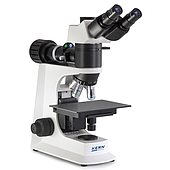
A stereo microscope is suitable for visual inspection, 3D surfaces, and applications that require direct manipulation of the specimen. A metallurgical microscope is better suited to flat, prepared metal samples and applications that require high-magnification analysis of microstructures.
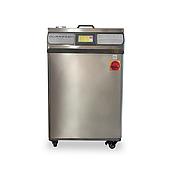
An overview of the Washing Colour Fastness Tester, its role in garment and printed-fabric durability evaluation, and the key stages of a controlled wash-test workflow.
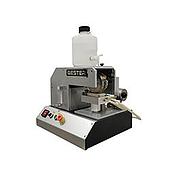
A practical overview of how absorption and desorption testing helps footwear teams evaluate insole and insock behavior in wet-use conditions.
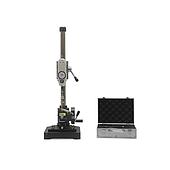
Button snap pull testing helps garment manufacturers evaluate the attachment strength of buttons, snaps, and fixed accessories before products reach customers.
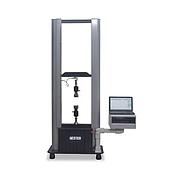
A higher force capacity is not automatically the best choice. Use this practical guide to assess tensile testing requirements, material properties, measurement needs, and long-term operating considerations.
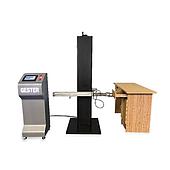
An overview of the GT-LD01C Drawer Durability Strength Testing Machine, its intended applications, controlled test functions, and role in furniture quality control.
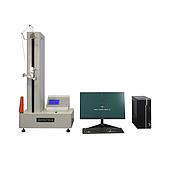
The GT-A01 Single Yarn Strength Tester is designed to assess the breaking strength and elongation of single yarns for laboratory and manufacturing quality control.
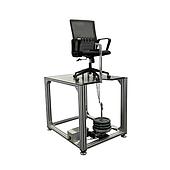
A clear operating guide for preparing, mounting, and testing a chair with the GT-LB06A Chair Front Stability Testing Machine.
Get exclusive volume discounts, bulk pricing updates, and new product alerts delivered directly to your inbox.
By subscribing, you agree to our Terms of Service and Privacy Policy.
Direct access to our certified experts