
11/06/2026 14:39:44
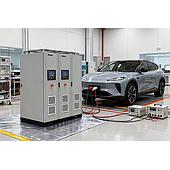
Bidirectional DC power supplies support two-way energy flow. Their main uses include EV and component testing, renewable energy storage, microgrids, and R&D validation of power equipment.
Bidirectional DC power supplies support two-way energy flow. Their main uses include EV and component testing, renewable energy storage, microgrids, and R&D validation of power equipment.
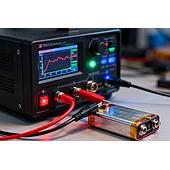
Battery cycle life testing repeatedly charges and discharges a cell under defined current, voltage, temperature, and rest conditions. A bi-directional DC supply can both source and sink current, while periodic Reference Performance Tests track capacity and DC internal resistance over time.
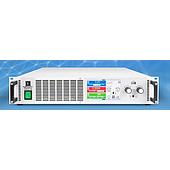
At the Tektronix Semiconductor 2026 seminar, alongside technical presentations on semiconductor technologies, attendees had the opportunity to explore and experience live equipment demonstrations featuring the DPO1000, Keithley 4200A-SCS, MSO58B, and EA-PSB 10000 bidirectional DC power supply. Each instrument serves a different measurement purpose, illustrating key technical requirements in semiconductor research and device validation.
Engineers need to develop a deeper understanding of semiconductor physics, device operating principles, signal characteristics, and component-level testing and measurement methods.
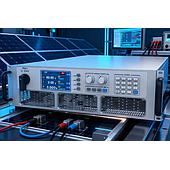
Bidirectional DC power supplies can source and absorb energy, helping PV and energy-storage teams simulate changing operating conditions in a controllable laboratory setup.
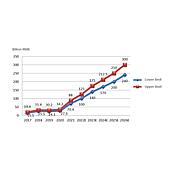
ANEVH is a bidirectional programmable DC power supply designed to support BOBC testing by combining source and load functions, simulating batteries and grid conditions, and supporting parallel operation for higher-power test needs.
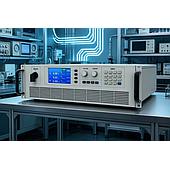
A bidirectional power supply can emulate key battery behavior while both delivering power to and absorbing returned energy, helping engineers create repeatable laboratory tests.
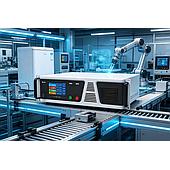
A 3x current-sizing approach can provide margin for appliance startup inrush, capacitor-charging peaks, and compressor starting transients that a nameplate-current source may not sustain.
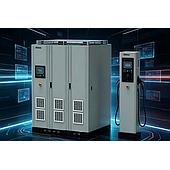
Bidirectional DC test power supplies combine source and regenerative-load operation to test EV chargers under controlled charging, discharge, and dynamic-load conditions.
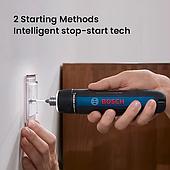
Many first-time buyers of power tools encounter a few common issues: they may struggle to figure out how to start or stop the tool, they might not be able to locate the direction-reversal switch, or they might find that the tool fails to rotate even when the trigger is pressed. This article addresses these frequent questions such as how to reverse the rotation of a power tool and provides essential tips for using the reversal function correctly.
Get exclusive volume discounts, bulk pricing updates, and new product alerts delivered directly to your inbox.
By subscribing, you agree to our Terms of Service and Privacy Policy.
Direct access to our certified experts