
11/07/2026 09:52:18
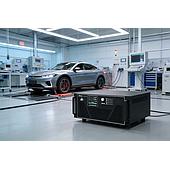
Electronic load testers apply programmable current, voltage, power, and resistance loads to recreate EV acceleration, cruising, regenerative braking, and stop-and-go operation in a repeatable laboratory setting.
Electronic load testers apply programmable current, voltage, power, and resistance loads to recreate EV acceleration, cruising, regenerative braking, and stop-and-go operation in a repeatable laboratory setting.
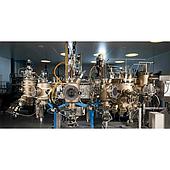
MBE is an epitaxy technology that enables highly precise control over crystal growth, making it particularly suitable for researching semiconductor heterostructures, high-speed transistors, semiconductor lasers, and nanomaterials.

Input overload can lead to inaccurate RF measurements and potentially damage your probe. Learn about the causes, how to identify such issues, and how to select the right Keysight N9000B, N9010B, or FieldFox signal analyzer for your needs at EMIN

A set of screwdriver bits typically contains dozens of pieces, each with a distinct shape. Every shape is designed to fit a specific type of screw recess; using the wrong bit can cause it to slip or damage the screw head—a risk that is especially high when using high-speed electric screwdrivers. This article introduces common types of electric screwdriver bits, explains how to distinguish between those that are easily confused, and outlines the key specifications to consider when making a purchase
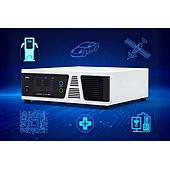
Programmable 3-phase AC power supplies generate configurable three-phase power for controlled, repeatable testing. Typical uses include industrial drives, EV power electronics, renewable energy systems, grid-disturbance simulation, quality assurance, and research.
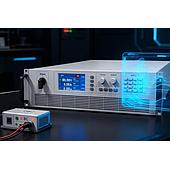
A bidirectional DC power supply can source and absorb DC power, helping engineers emulate battery behavior and test OBC charging, discharge, reverse-flow, and dynamic operating conditions.
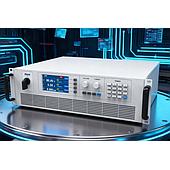
A programmable DC power supply should match the device under test’s voltage, current, power, load behavior, accuracy needs, control interface, and protection requirements.
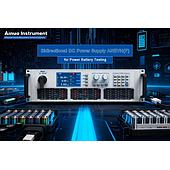
Bidirectional power supplies source power for charging and sink power during discharge in one instrument. This can simplify battery test setups, enable continuous cycling, support regenerative energy flow, and help reproduce changing operating conditions.
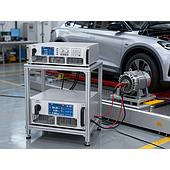
Bidirectional power supplies provide controlled power in both directions for EV and HEV test setups. They can emulate batteries and other DC sources while absorbing regenerated energy from inverters, motor drives, chargers, and V2G systems.
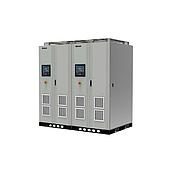
Choose a battery simulator when a device must be tested against changing battery behavior, resistance, or fault conditions. Choose a DC power supply when stable, controllable power is sufficient.
Get exclusive volume discounts, bulk pricing updates, and new product alerts delivered directly to your inbox.
By subscribing, you agree to our Terms of Service and Privacy Policy.
Direct access to our certified experts